A model of sustainable, connected urban planning for the Cameroon of tomorrow
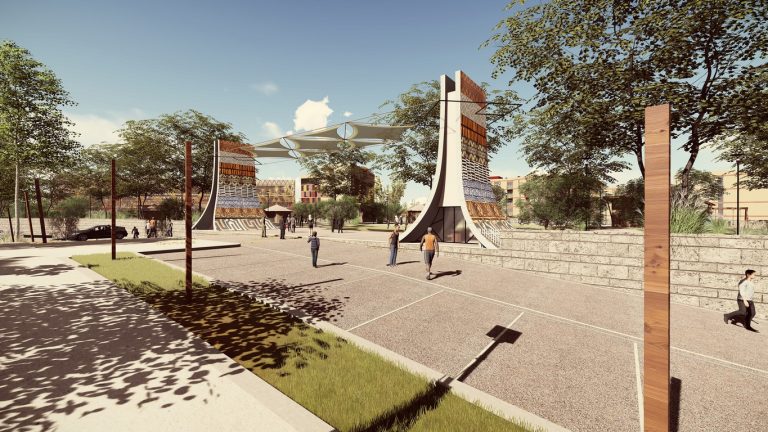
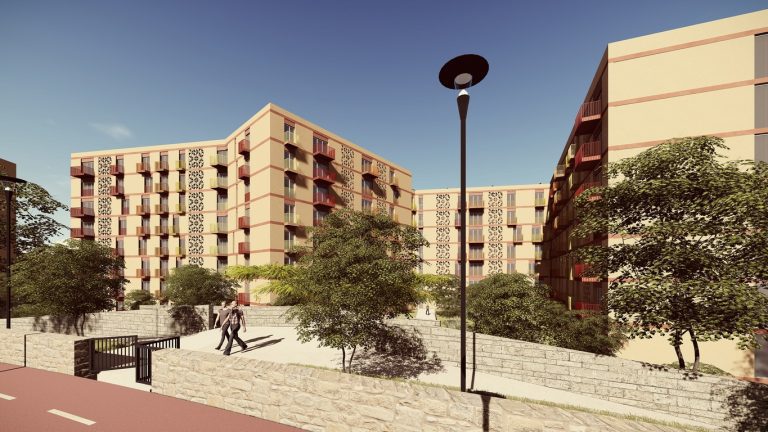
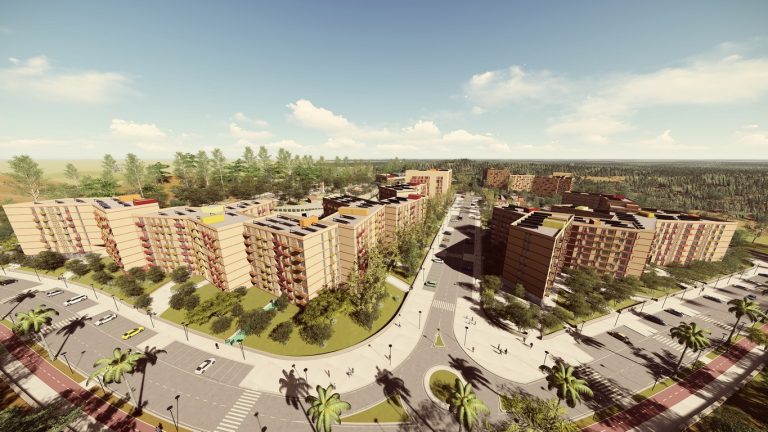
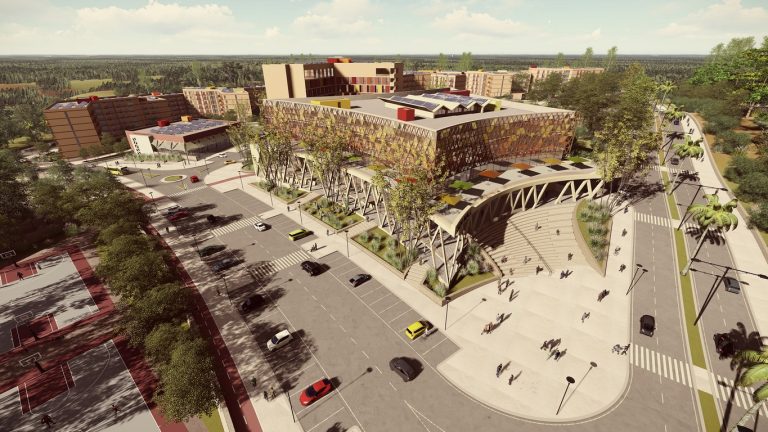
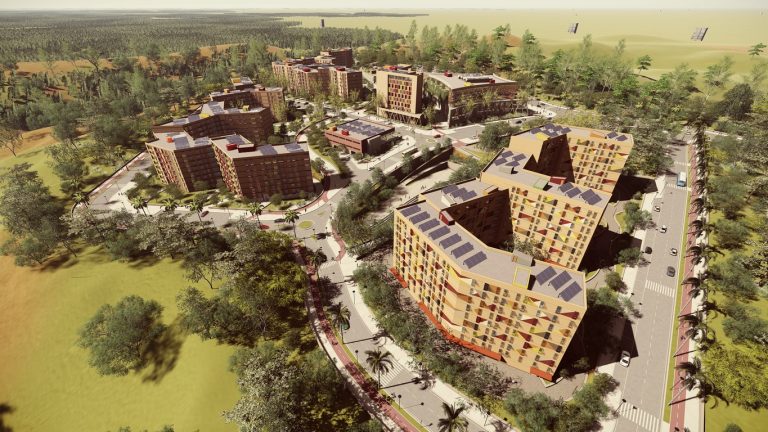
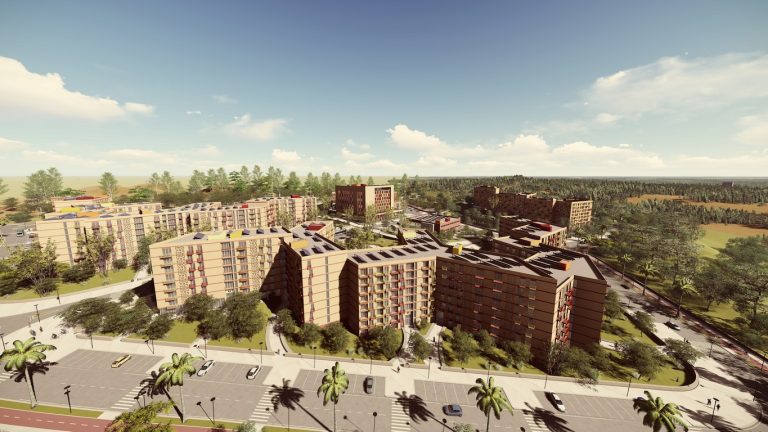
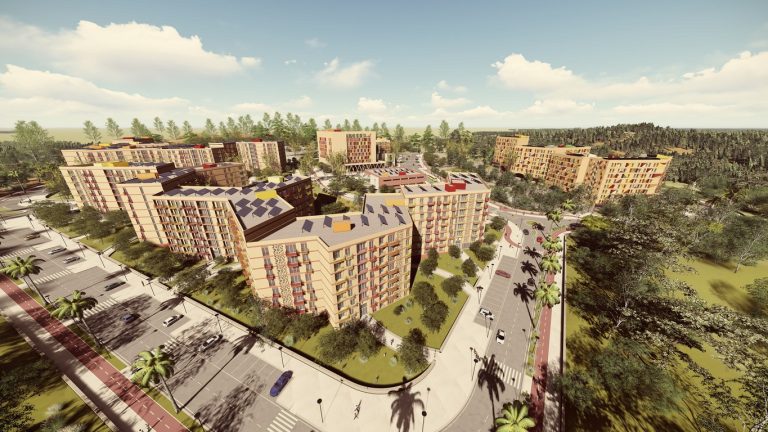
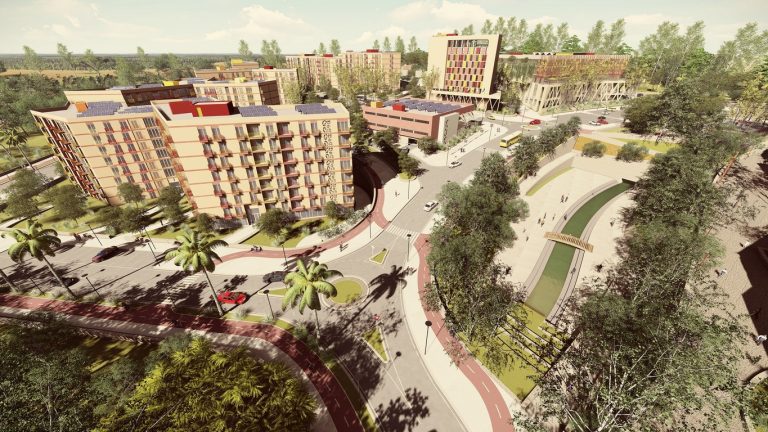
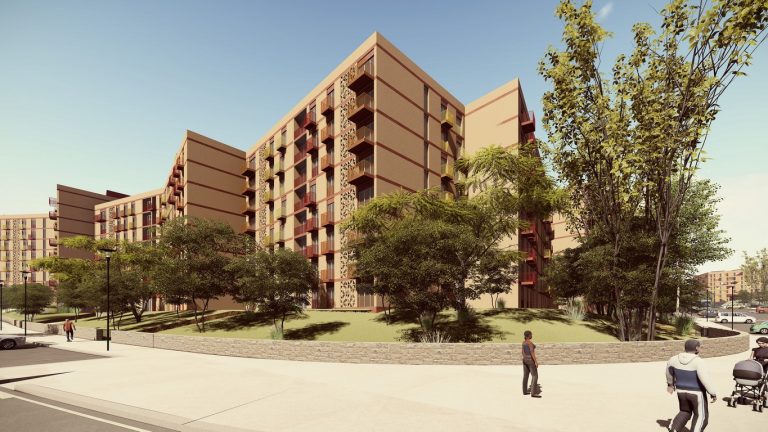
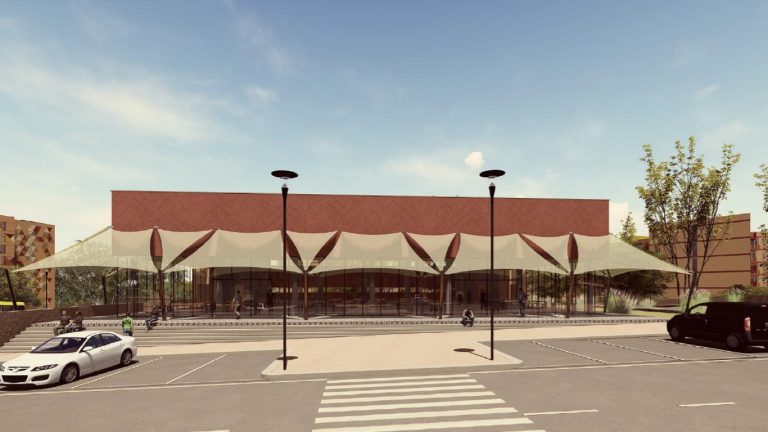
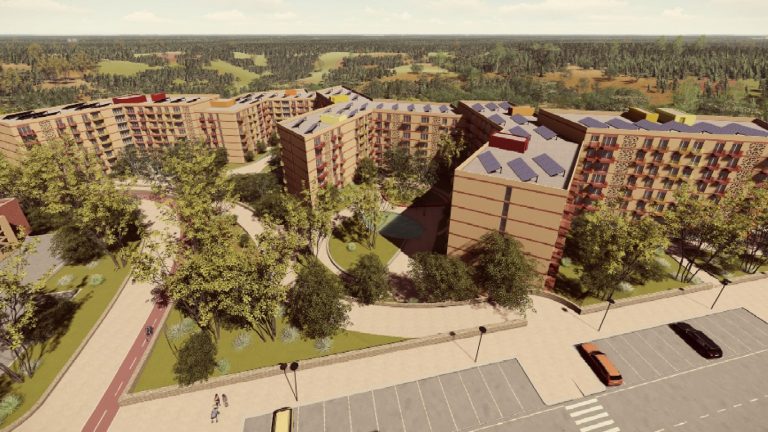
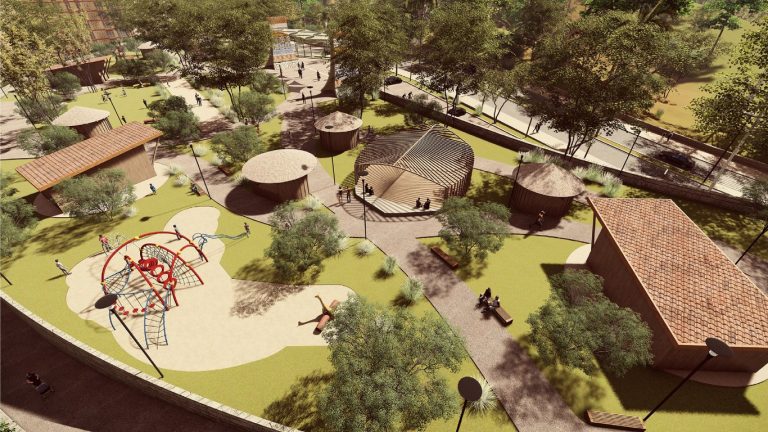
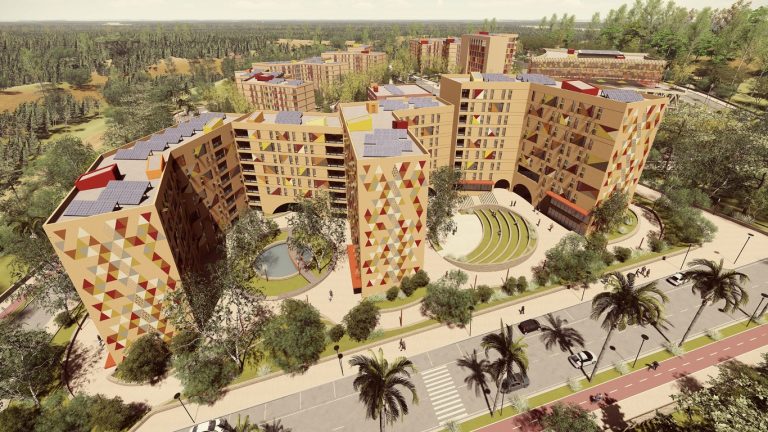
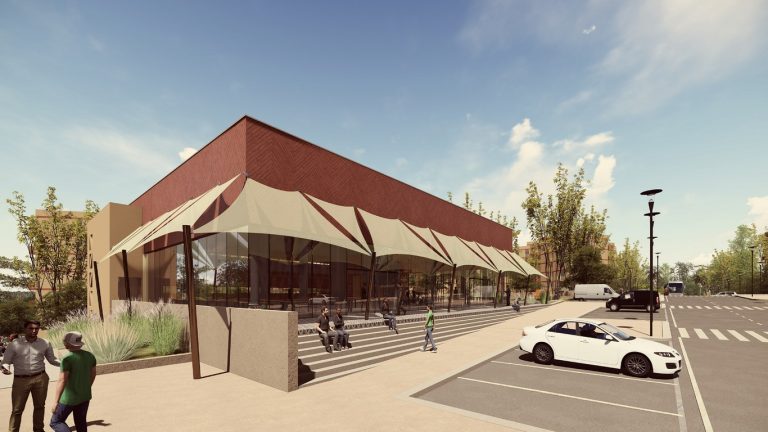
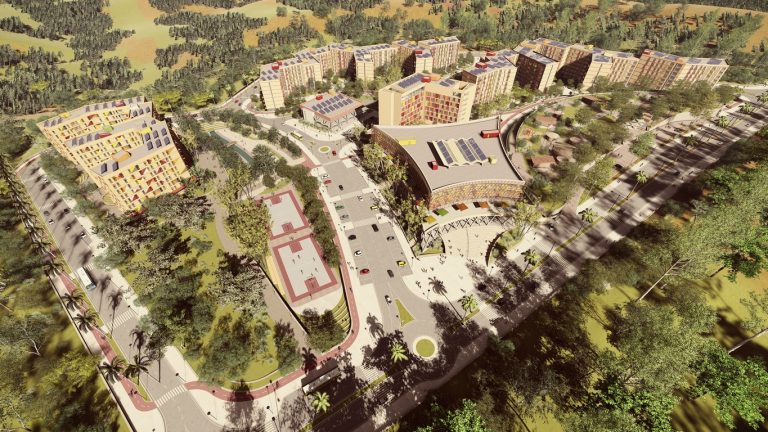
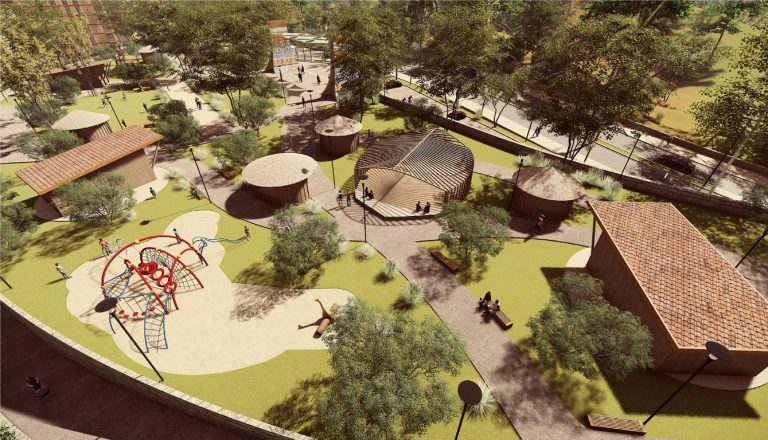
The unifying idea behind this project was to create a balanced whole, judiciously composed to take account of the site’s topography and the specific features of its various functional components. Built-up areas, traffic routes, fitness trails and green spaces intermingle and overlap to form a harmonious whole that is pleasant to live in and explore.
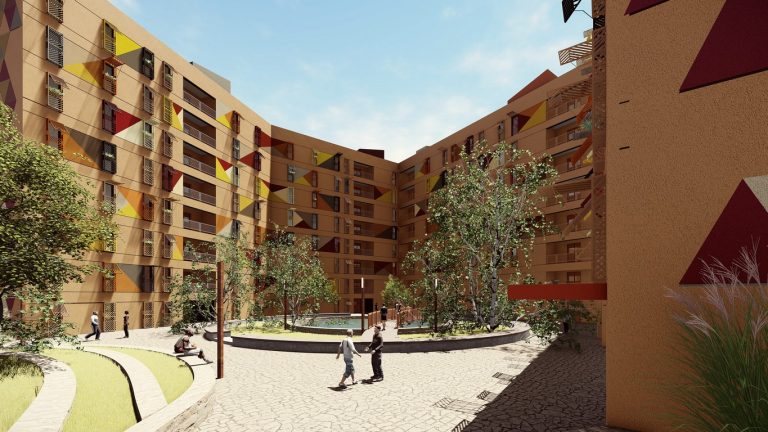
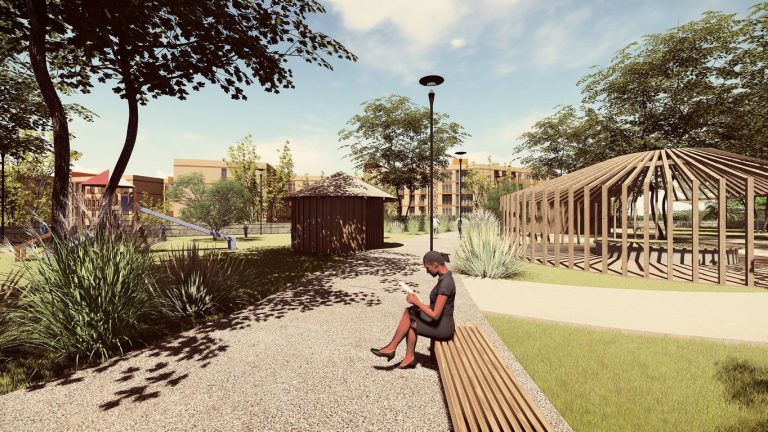
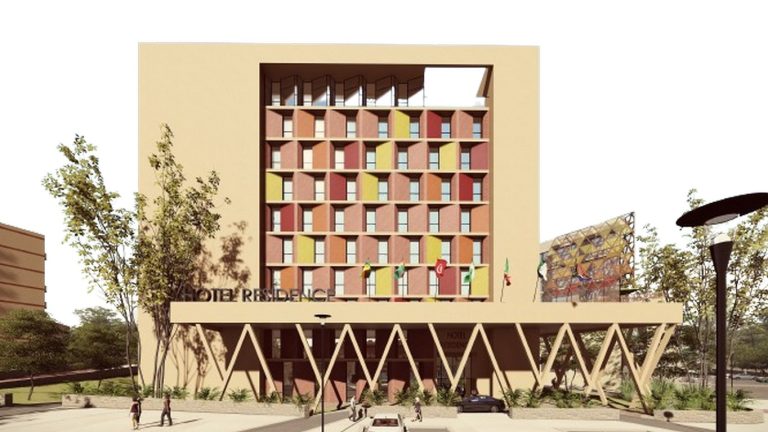
A residential area where life would be good, where all the amenities you need for everyday life are close at hand… where you can take the time to walk, cycle, play sport and stroll around… Shops, restaurants and cafés, libraries and cinemas, cultural and artistic activities would be accessible to all, young and old.
The large green esplanade, the welcoming gateway to the project, will house three levels of underground and underground parking, with a total capacity of 550 cars. This vital component of the project will absorb the large flow of vehicles from residents and visitors to the district, relieving traffic congestion and encouraging soft mobility and the optimisation of green spaces.
Presentation video
Implementation of SDGs and urban modernisation in Cameroon
Cameroon adopted in 2019 the National Development Strategy 2020-2030 (NDS 30), which is a new reference framework for its development action over the next decade. The National Development Strategy 2020-2030 aims at structural transformation and inclusive development and foresees with regard to urban development:
Prioritize the SDGs in Cameroon with a view to aligning the NDS30 with the objectives of the 2030 Agenda;
Give priority to the implementation of major projects, project-financing approaches and public-private partnerships;
Build a high-performance and competitive construction industry;
Build a strong national capacity to manage industrial and infrastructure projects and programs;
Develop connected, inclusive and resilient cities;
Facilitate access to land and property ownership;
Promote social housing programs throughout the country;
Ensure compliance with urban planning tools (urbanization plan, land use plan, sector plan, etc.);
Implement the investment charter which provides for fiscal, customs, financial and administrative incentives and specific incentives to be negotiated with the government in the context of the development of housing, tourism, leisure and social housing.
Eight SDG are specifically targeted by the project including :
SDG 1: No poverty. Economic growth must be shared to create sustainable jobs and promote equality
SDG 3: Good health and well-being. Empowering people to live a healthy life and promoting wellbeing for all at all ages.
SDG 5: Gender equality, a fundamental human right, but also a necessary foundation for a peaceful, prosperous and sustainable world.
SDG 6: Clean water and sanitation. Clean and accessible water for all is an essential part of the world we want to live in.
SDG 7: Clean and affordable energy. Sustainable energy is an opportunity to transform lives, economies and the planet.
SDG 8: Decent work and economic growth to eradicate poverty.
SDG 11: Sustainable cities and communities with great opportunities for all.
SDG 17: Partnerships to achieve objectives. Inclusive partnerships built on principles and values, a common vision and common goals are needed.